

Have you noticed how abbreviated our language is getting? With AI now seeping into our corporate communication-speak, we are editing our conversations to get our point across more quickly.
For example, in chess terms, a ‘sacrifice’ is when you give up a (high value) piece for no compensation to set up a mating attack on the king. If you’re an amateur chess player like me, you’ll find yourself an abundance of chess content creators on YouTube. I’ve noticed that nearly all of them abbreviate the term to ‘sac’. “He ‘sacked’ the rook!”
On Roblox, another controversial online game, kids these days refer to obstacle courses as obbys. The list is endless. ‘Enthusiastic’ turns into enthused. ‘Charisma’ is now called rizz. ‘Suspicious’, as popularised by the COVID-19 game Among Us, has now been shortened to sus.
Although my example might not be the most accurate, I’ve tried to make the point about this sort of human language editing trickling into corporate communication at US workplaces. Not literally per se, but there is a tendency of AI + humans steering communication right to the point.
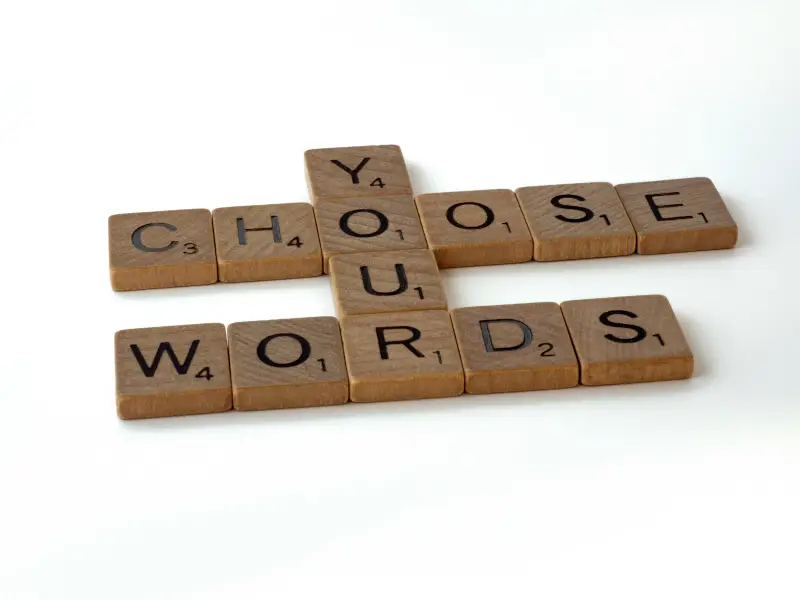
Why have hour-long meetings when you can convey what needs to be said on email? Humans + AI are editing the English language on the go, which is apt because English as a language survived after countless iterations and absorbing facets of other languages.
Today’s organisations aren’t just adopting AI for productivity. They’re adapting to how AI reshapes the way people write, speak and collaborate.
Why AI Is Reshaping Corporate Communication across US Workplaces
As generative AI becomes embedded in daily workflows, employees regularly interact with automated writing tools, chatbots and voice assistants. These tools influence both how ideas are expressed and what people expect from conversations.
Subtle Shifts in Workplace Expression
AI-driven suggestions, predictive typing and automated drafts encourage a writing style built on short sentences, direct phrasing and clear instructions. Over time, employees mirror this structure in their own communication, influencing team norms and improving clarity across departments.
Data-Driven Communication Patterns
AI produces large volumes of data, and teams increasingly rely on dashboards and visual summaries rather than long narrative reports. This data-first communication style speeds up decision-making and shifts conversations toward evidence rather than opinion.
How Human Editing Is Changing Communication Methods
The rise of digital tools is redefining how teams exchange information, emphasising speed, simplicity and accessibility.
Faster, More Informal Internal Messaging
Because people write brief prompts for AI, they adopt the same habits with colleagues. This leads to:
- Shorter Slack or Teams messages
- Quick updates instead of detailed explanations
- More reactions, tags and “heads up” notes
Decision cycles move faster, and AI discourages unnecessary verbosity.
Streamlined Communication Channels
Real-time platforms increasingly replace traditional, email-heavy workflows. Collaboration tools consolidate assignments, files and updates, reducing the need for lengthy meetings and helping teams stay aligned through minimal but effective exchanges.
Visual Communication as a Workplace Standard
Data-rich environments encourage employees to communicate visually. Organisations rely on:
- Interactive dashboards
- Infographics that simplify insights
- Slides, charts and diagrams for decision-making
AI-powered analytics tools make these visuals accessible, shifting communication away from dense text.
Source: UNSPLASH
How AI and Human Editing Are Shaping Modern Corporate Communication Styles
AI shapes not only channels but also the structure and tone of messages.
Clear, Concise and Action-Oriented Messaging
AI performs best with clean, precise prompts. This conditions employees to communicate with:
- Simple sentences
- Direct objectives
- Minimal filler
- Immediate relevance
As a result, clarity becomes a cultural expectation.
Smarter Clarification and Summarisation
AI can summarise documents or extract insights, but humans must interpret, verify and critique the output. Team discussions become more structured, focusing on:
- Context and data sources
- Specific questions
- Testing assumptions
- Validating insights
This strengthens collaborative problem-solving.
Blending Storytelling With Data
Data becomes more persuasive when paired with narrative. Teams use storytelling in:
- Leadership updates
- Sales and client presentations
- Project reviews
- Strategy discussions
AI-generated visuals support these narratives, helping stakeholders understand insights more intuitively.
How AI + Human Editing Is Shaping Workplace Language Across the US
Language trends in organisations now reflect both digital informality and AI-enabled analytical precision.
More Casual Everyday Writing
Interacting with AI in conversational prompts encourages a lighter tone in human communication. Work messages increasingly include:
- Abbreviations
- Emojis and reactions
- Short, casual phrases
- Light humour
When used appropriately, this builds rapport while maintaining professionalism.
Rise of AI- and Data-Driven Vocabulary
Terms such as machine learning, heatmaps, predictive analytics and LLM outputs are entering general workplace vocabulary. While useful, this can confuse less technical colleagues, prompting organisations to create common terminology and communication guidelines.
Future of Corporate Communication in the US in AI Era
AI is transforming corporate communication in the US across channels, style, tone and vocabulary. These shifts will only accelerate as new tools emerge.
Learning & Development teams play a critical role in helping employees adapt by integrating communication skills, AI literacy and data fluency into training.
Preparing now allows organisations not only to keep pace with change-but to lead it.
Need help adapting your brand for an AI-powered design future? You know where to find us.