
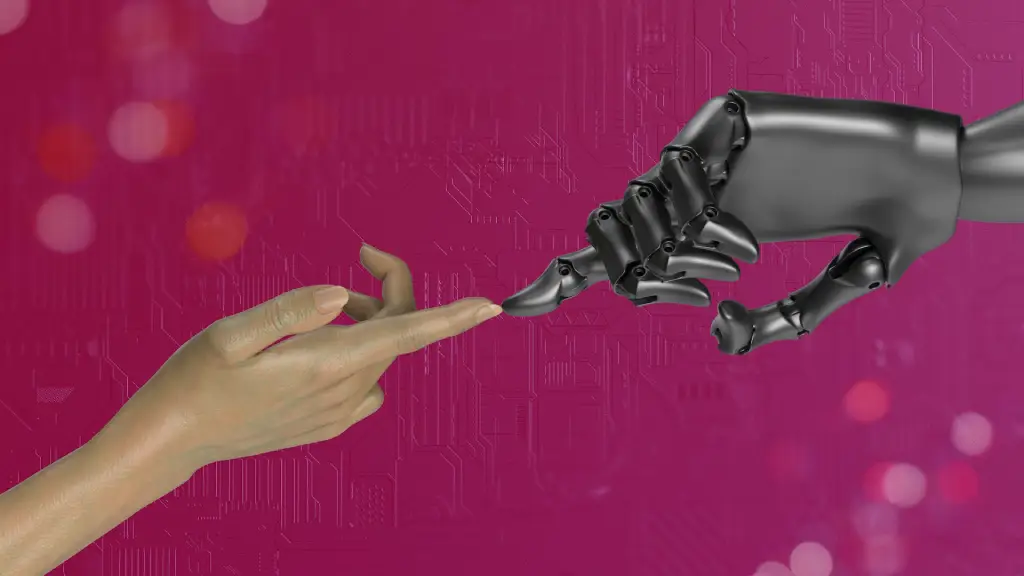
A friend mentioned to me the other day that he was interviewed entirely by AI. I stopped and stared at him, “A robot interviewed you?” He said that it was unnerving. The bot seemed to understand him, even tailoring its responses to match his resume. The questions were extremely pertinent. It, if I can use the term, asked him about gaps in his resume and what courses he intended to take to upgrade his skills.
Artificial intelligence is transforming the creative industry, from content writing and video editing to illustration and brand design. AI design tools can generate visuals, automate workflows, and produce variations within seconds. Yet despite this acceleration, human creativity remains the core driver of meaningful, authentic design.
AI has a powerful role in modern workflows. It can resize assets, generate drafts, and speed up production. However, it still struggles to create work that feels culturally grounded, emotionally resonant, and strategically aligned with brand identity. For many creative teams, AI performs best during ideation, prototyping, and early visual exploration rather than final execution.
In real-world testing, AI-generated visuals can still produce strange inconsistencies — distorted anatomy, unnatural lighting, or overly polished textures that feel synthetic. Even as models improve, many outputs still appear “airbrushed” rather than lived-in. Brands that prioritize authenticity and trust need visuals reflecting real human perspective — something pattern-based generation cannot fully capture.
Why Human-Centered Design Strategy Still Wins
AI can generate thousands of logos or layout variations. But design is not purely visual output — it is strategic communication.
Human designers uniquely provide:
- Cultural awareness and social context interpretation
- Emotional storytelling aligned to audience psychology
- Ethical judgment and brand responsibility
- Long-term narrative consistency across campaigns
An algorithm can analyze markets and trends through data. But it cannot experience culture. Humans recognize subtle shifts — nostalgia cycles, analog revival aesthetics, or generational identity movements — before they become measurable datasets.
These signals often begin in communities, subcultures, or emotional reactions. Translating those into design language requires intuition and experience.

Source: Unsplash
Emotional Intelligence in Branding and Visual Storytelling
AI generates based on existing patterns. It predicts what should come next statistically. Human creativity, however, introduces what should exist but does not yet exist.
Design is not simply arranging shapes and colors. It represents:
- Brand philosophy and value systems
- Emotional tone and audience trust
- Social relevance and cultural positioning
- Narrative consistency across touchpoints
A strong brand visual identity is not just aesthetically pleasing — it is meaningful. That meaning is constructed through human interpretation.
How AI Improves Creative Workflow Efficiency
AI tools function best when treated like advanced creative instruments. Similar to how digital tablets changed illustration or editing software transformed photography, AI expands creative capacity rather than replacing creators.
Key productivity benefits include:
- Rapid concept generation for brainstorming
- Automated background removal and asset resizing
- Style exploration and visual reference building
- Faster prototyping and client presentation preparation
This allows designers to focus more on strategy, storytelling, and refinement — the highest-value creative tasks.
The Competitive Advantage of Human-Led AI Design
Organizations increasingly realize that human-guided AI workflows outperform fully automated creative production.
Human-led design ensures:
- Authentic brand voice instead of generic template output
- Context-aware visuals aligned with audience expectations
- Ethical and legal compliance in visual content
- Differentiation in crowded digital markets
In a world of infinite generated content, originality becomes the strongest competitive advantage.
Why Authentic Visual Identity Matters More Than Ever
Modern audiences are highly sensitive to authenticity. Overly polished or generic visuals often trigger distrust.
Authentic design communicates:
- Craft and intention
- Cultural awareness
- Emotional sincerity
- Brand accountability
When work is deeply personalized, audiences can sense the creator’s perspective and intention — something difficult for automated systems to replicate.
The Future Role of Designers in an AI-Powered Creative Industry
Designers are evolving from pure executors into curators of meaning and experience.
Future creative roles will emphasize:
- Cross-disciplinary storytelling
- Cultural and behavioral insight interpretation
- AI tool orchestration and creative direction
- Ethical and responsible content creation
The most valuable designers will be those who can combine technical AI fluency with human empathy and cultural intelligence.
Final Takeaway
We are entering a hybrid creative era. AI will continue improving in speed, accuracy, and visual quality. But creativity is not only about generating outputs — it is about assigning meaning.
Human designers bring empathy, experience, and cultural understanding. AI brings scale, speed, and pattern recognition.
The future of creative work is not human versus AI. It is human creativity amplified by AI capability.
In a world where generative tools can produce endless visuals, the real value lies in crafted storytelling, emotional authenticity, and culturally grounded design thinking. Humans create meaning. AI can only assemble signals.
Meeting modern corporate communication standards takes a coordinated approach across messaging, structure, and visual clarity. Learn more about our Design, Editorial, and Content solutions that help businesses communicate with precision.
If you’re looking to modernize your corporate brochures or infographics without losing rigor or professionalism, we are here to help you.